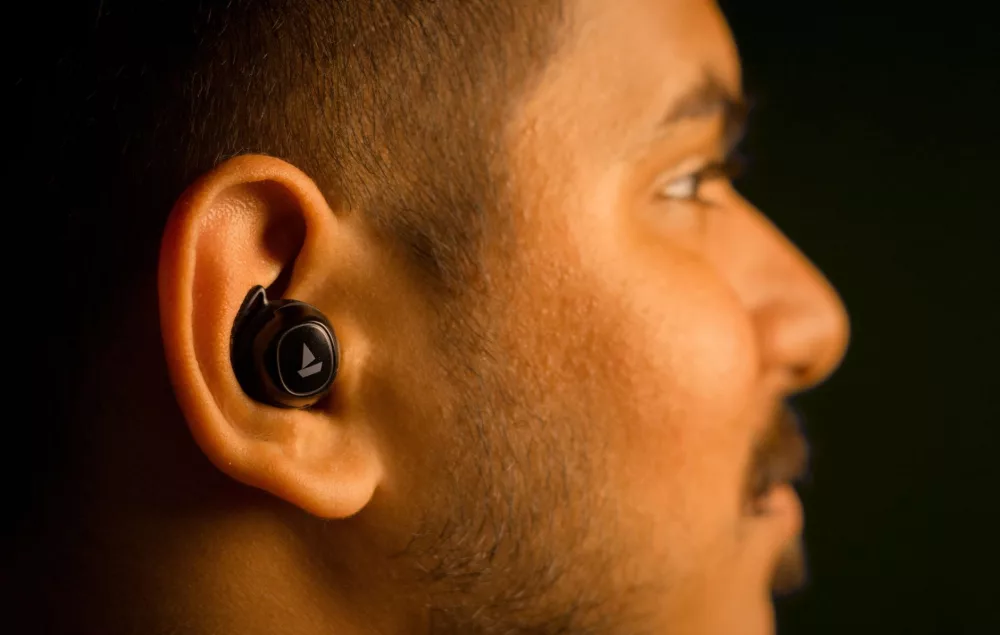
Are Earbuds Bad For You? Unpacking the Concerns
I don't know about you, but I feel like earbuds have become an absolutely essential part of modern life for so many of us. Whether I'm commuting, working out, or just trying to zone out with some music or a podcast, those tiny little speakers are almost always in my ears. They offer such incredible convenience and a personalized audio experience, don't they? But lately, I've found myself wondering, and I bet you have too: are these ubiquitous little gadgets actually bad for us? It's a question that pops up a lot in discussions about health and technology, and frankly, I think it deserves a good, honest look. Let's dig into the common concerns people have about earbuds and see what the science actually says.
The Big Worry: Hearing Damage
Let's be real, when most folks ask if earbuds are 'bad,' what they're really thinking about is their hearing. And they're right to be concerned! Our ears are delicate instruments, and consistent exposure to loud sounds, especially directly into the ear canal, can absolutely lead to permanent damage. This is called noise-induced hearing loss (NIHL), and it's a growing problem, particularly among younger generations who've grown up with personal audio devices.
How Loud is Too Loud? Understanding Decibels and Exposure
When you're blasting your favorite tunes, you might not realize just how loud that sound actually is. Sound intensity is measured in decibels (dB), and here's a rough guide:
- Normal conversation: Around 60 dB
- Busy street traffic: Around 85 dB
- Concerts, rock music: 100-120 dB
- A jet engine at takeoff: 140 dB
The key thing to remember is that the louder the sound, the less time it takes for damage to occur. According to the Centers for Disease Control and Prevention (CDC), continuous exposure to sounds at or above 85 dB can cause permanent hearing loss. Most earbuds, when cranked up, can easily exceed 100 dB, and sometimes even reach 110 dB or more. Think about that for a second. At 100 dB, hearing damage can start after just 15 minutes of listening. At 105 dB, it's only about 5 minutes!
I've heard people talk about the '60/60 rule,' and I think it's a pretty good guideline to live by. It suggests listening at no more than 60% of your device's maximum volume for no longer than 60 minutes at a time. After that, give your ears a break for at least 15-30 minutes. I try to stick to this myself, especially during longer listening sessions.
Tinnitus: That Pesky Ringing
Beyond actual hearing loss, many earbud users experience tinnitus – that persistent ringing, buzzing, or hissing sound in your ears. It can be temporary after a loud event, but for some, it becomes a chronic condition, and it's truly bothersome. While loud noise isn't the only cause, it's a very common trigger, and heavy earbud use at high volumes is certainly a risk factor. I know I've had moments where my ears felt 'tired' or buzzed a bit after a long listening session, and that's usually my cue to back off the volume.
The Unseen Dangers: Ear Infections and Hygiene
It's not just about what you hear; it's also about what you put in your ears. Earbuds, particularly the in-ear kind that seal off your ear canal, can create a warm, moist environment – a perfect breeding ground for bacteria and fungi. Think about it: you're touching them, putting them into your ears, taking them out, maybe dropping them, and then putting them back in. All that introduces germs.
- Trapped Moisture: Earbuds can trap sweat and moisture, which is less than ideal for ear health.
- Bacterial Buildup: Over time, bacteria can accumulate on the earbud tips. Inserting these into your ear canal repeatedly can push bacteria deeper, leading to external ear infections (like otitis externa, also known as 'swimmer's ear').
- Sharing is Not Caring: Seriously, sharing earbuds is a big no-no. You're just passing along bacteria and earwax, which is pretty gross and definitely increases infection risk.
I make a point to clean my earbuds regularly with an alcohol wipe. It's a small habit, but I think it goes a long way in preventing any unpleasant ear issues.
Physical Discomfort and Earwax Impaction
Ever felt that pressure or ache after wearing earbuds for too long? You're not alone. The constant presence of a foreign object in your ear canal can cause irritation and discomfort for some people. For others, particularly with certain earbud designs, it can even contribute to earwax buildup and impaction. The earwax can get pushed deeper into the ear canal by the earbud, leading to blockages that can cause temporary hearing loss, pain, or a feeling of fullness. I've found that finding the right size and type of earbud tips makes a huge difference here – a good seal is important for sound quality but not at the expense of comfort.
Safety and Situational Awareness
This is a risk that isn't directly related to your ear health but is equally important: being oblivious to your surroundings. When you've got those noise-cancelling earbuds in and your music cranked, you're essentially creating your own little bubble. This can be incredibly dangerous in situations where you need to be aware of what's happening around you:
- Traffic: Walking or cycling near roads with earbuds in means you might not hear approaching vehicles, horns, or warnings.
- Workplaces: In certain jobs, hearing alarms, machinery, or colleagues is critical for safety.
- Public Spaces: Being unaware can make you a target for theft or less able to react to unexpected situations.
I always try to use just one earbud when I'm walking outside, or turn on the 'transparency' mode if my earbuds have it. It’s a simple change that can make a big difference for safety.
What About Radiation?
Another question I often hear about wireless earbuds, specifically Bluetooth ones, is about potential radiation exposure. People worry about non-ionizing radiation (like radiofrequency energy) being so close to the brain. Now, this is a topic that does generate a lot of discussion, but based on the current scientific consensus, the exposure levels from Bluetooth devices are extremely low – far below international safety limits. Most health organizations, like the World Health Organization (WHO), state that there's no conclusive evidence linking typical Bluetooth exposure to adverse health effects. While I understand the concern, especially with new technologies, the much more established and immediate risk from earbuds remains hearing damage from excessive volume.
Listening Smarter: My Tips for Safer Earbud Use
So, are earbuds inherently 'bad'? Not necessarily, but they certainly come with potential risks if not used responsibly. The good news is that with a few mindful habits, you can significantly reduce these risks and enjoy your audio without compromising your health. Here's what I try to do:
- Mind the Volume: This is probably the single most important piece of advice. Keep the volume at a comfortable level – if someone next to you can hear your music, it's too loud. Stick to that 60/60 rule!
- Take Regular Breaks: Give your ears a rest. Even short breaks (5-10 minutes) every hour can make a big difference.
- Clean Them Often: Make it a habit to wipe down your earbuds, especially the tips, with an alcohol wipe after a few uses. Don't share them!
- Choose the Right Fit: A good seal reduces the need to crank up the volume to block out external noise. Experiment with different tip sizes and materials to find what works best for your ears. Noise-cancelling earbuds can also help here by actively reducing ambient noise, allowing you to listen at lower volumes.
- Stay Aware of Your Surroundings: In situations where safety is a concern, use only one earbud or activate transparency mode. Sometimes, it's just better to take them out entirely.
- Consider Over-Ear Headphones: While less portable, good quality over-ear headphones often offer better sound isolation and can be less intrusive to your ear canal, potentially encouraging lower listening volumes.
- Listen to Your Body: If your ears feel tired, full, or you notice any ringing, it's time to take a break. If these symptoms persist, or you experience pain or changes in hearing, don't hesitate to see a doctor or an audiologist. Early intervention can be crucial.
Ultimately, earbuds are an amazing tool that's brought so much convenience and enjoyment to my life and to countless others. Like any technology, though, understanding its potential downsides and using it wisely is key. By being conscious of volume, hygiene, and your surroundings, you can keep enjoying your favorite audio content without sacrificing your long-term ear health.