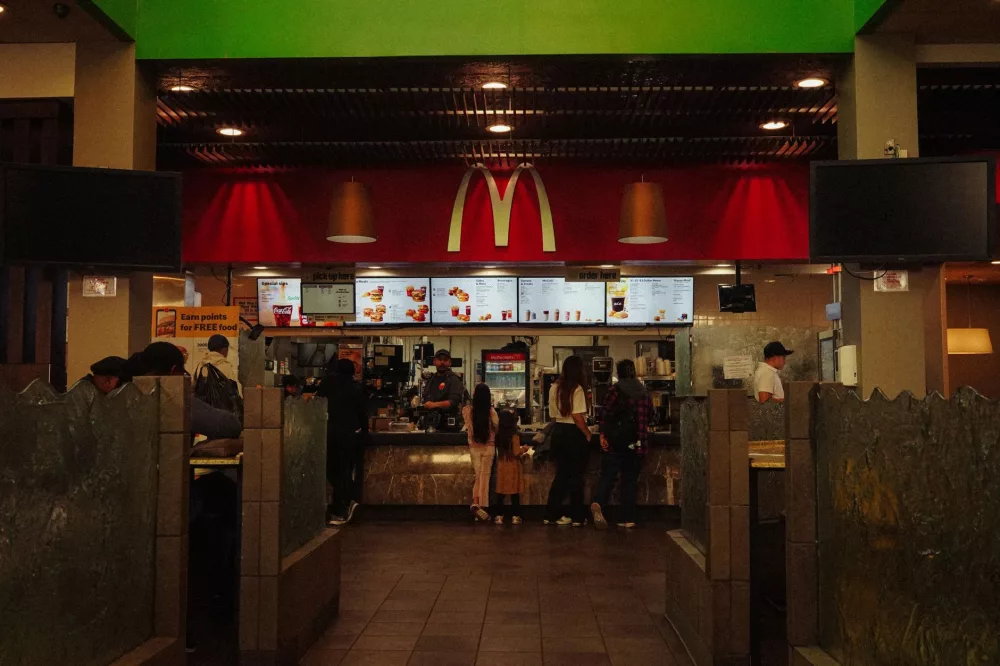
When we think about dining out, it's often the familiar golden arches or the comforting aroma of a coffee giant that first comes to mind for many. Restaurant chains, in their various forms, have become an undeniable fixture in our modern culinary landscape. I've spent a good chunk of my career observing and understanding these behemoths, and I've come to appreciate the incredible complexity and strategic genius that underpins their widespread success. It's not just about flipping burgers or brewing coffee; it's a sophisticated dance of branding, logistics, and customer experience.
For me, a restaurant chain represents a fascinating study in scale and consistency. We're talking about a business model where a single brand operates multiple outlets, often across vast geographic areas, all aiming to deliver a remarkably similar product and service experience. This standardization is, I believe, their core strength. It allows them to tap into efficiencies that independent restaurants simply can't achieve, but it also presents unique challenges. I mean, imagine trying to ensure the same quality of a latte in London as you would in Los Angeles! It's quite an undertaking, isn't it?
The Unmistakable Advantages of the Chain Model
So, what makes these chains so incredibly potent in the marketplace? From my vantage point, several key advantages stand out, shaping their growth and resilience.
- Economies of Scale: This one's a no-brainer. When you're buying ingredients, packaging, or even marketing services for hundreds or thousands of locations, you command significant purchasing power. We're talking about bulk discounts that dramatically reduce per-unit costs. This allows chains to either offer more competitive prices to consumers or enjoy healthier profit margins, sometimes both. I've seen firsthand how a small difference in procurement can cascade into massive savings across a large network.
- Brand Recognition and Trust: A well-established chain name carries immense weight. Consumers know what to expect, and that predictability is incredibly valuable. When I travel, I often gravitate towards a familiar chain if I'm unsure about local options. It's a psychological comfort, isn't it? This strong brand presence also means they spend less proportionally on customer acquisition compared to a new, unknown establishment.
- Standardized Operations and Training: This is where the consistency I mentioned earlier really comes into play. Chains develop meticulous operational manuals, detailed recipes, and structured training programs. This ensures that whether you're at a location in Ohio or Oregon, your meal tastes the same, and the service meets a specific standard. For me, this is a marvel of process engineering. It takes the guesswork out of daily operations for staff and provides a reliable experience for customers.
- Robust Marketing and Advertising Capabilities: With a bigger budget and a wider reach, chains can launch extensive national and even international marketing campaigns. They can leverage television, digital media, and massive outdoor advertising that an independent eatery could only dream of. I always find it interesting how their advertising can create trends and drive demand on a massive scale.
- Access to Capital: Expanding a restaurant business requires significant investment. Chains, with their proven business models and track records, typically find it easier to secure financing for growth, whether it's through bank loans, private equity, or public stock offerings. This financial muscle is a crucial enabler of their expansion.
Navigating the Labyrinth of Challenges
Of course, it's not all smooth sailing. The very scale that gives chains so many advantages can also be a source of considerable headaches. I've observed these challenges shape their strategies and sometimes, unfortunately, contribute to their downfall.
- Maintaining Consistency: This is a double-edged sword. While standardization is a strength, ensuring that every single franchisee or manager adheres to those standards, day in and day out, across a vast network, is a Herculean task. A single bad experience at one location can unfortunately tarnish the brand's reputation for many. I mean, we've all had that moment where our favorite chain item just didn't taste right, right?
- Loss of Local Flavor and Individuality: This is a common critique, and I think it's fair. Chains, by nature, often offer a uniform experience, which can sometimes feel impersonal or lack the unique charm of a locally owned spot. They can struggle to adapt to hyper-local tastes or cultural nuances without diluting their core brand identity. Finding that balance is tricky.
- Managing a Complex Supply Chain: Sourcing quality ingredients consistently for hundreds or thousands of locations requires an incredibly robust and intricate supply chain. Disruptions, whether from weather, geopolitical events, or even a sudden spike in demand, can create widespread problems. I've seen how a single logistical hiccup can impact countless restaurants.
- Talent Acquisition and Retention: High turnover rates are a perennial issue in the restaurant industry, and chains are no exception. Attracting, training, and retaining good staff, especially at the front lines, is a constant battle. A positive workplace culture is absolutely essential here, and it's something I see successful chains prioritize.
- Adapting to Changing Consumer Preferences: The food industry is dynamic, with trends shifting rapidly. While their size allows for R&D, implementing menu changes or operational shifts across an entire chain can be slow and costly. It's like turning a massive tanker ship compared to a nimble speedboat.
The Different Flavors of Chain Restaurants
When we talk about 'restaurant chains,' it's really a broad category that encompasses a lot of different styles and price points. I generally categorize them into a few distinct types:
- Fast Food Chains: These are the household names we all know, characterized by quick service, limited menus, low prices, and often a drive-thru option. Think burgers, fried chicken, tacos. They prioritize speed and efficiency above all else.
- Fast Casual Chains: A step up from fast food, offering higher quality ingredients, customizable options, and usually a more appealing dining environment, but still maintaining relatively quick service. You're likely ordering at a counter but receiving your food on actual plates. I've seen this segment explode in popularity.
- Casual Dining Chains: These are your sit-down restaurants with full table service, offering a wider menu, and a more relaxed atmosphere. They're typically family-friendly and provide a consistent experience at a moderate price point.
- Fine Dining Chains: While less common, some upscale restaurants have successfully replicated their concept into a small chain, maintaining high standards of food, service, and ambiance. This requires an incredible commitment to quality control.
Each type caters to different needs and expectations, and their operational models vary significantly to match those demands. It's about knowing your customer and delivering what they expect, consistently.
Looking Ahead: The Evolution of Restaurant Chains
The landscape for restaurant chains is always shifting, and I believe we're seeing some truly transformative trends right now. The future, in my estimation, will be shaped by a few key areas:
- Technological Integration: We're not just talking about POS systems anymore. I see chains leveraging AI for inventory management, personalized marketing, and even kitchen automation. Mobile ordering, loyalty programs, and delivery platforms are already standard, and I expect even more innovative tech solutions to emerge, streamlining everything from food prep to customer service.
- The Delivery Revolution: Third-party delivery services have fundamentally altered how many chains operate. While it adds a layer of complexity and cost, it's also opened up new revenue streams and customer segments. Some chains are even experimenting with 'ghost kitchens' or 'dark kitchens' – facilities optimized purely for delivery, without a traditional dine-in component. It's a fascinating development, and one I think will continue to grow.
- Sustainability and Ethical Sourcing: Consumers, especially younger generations, are increasingly concerned about where their food comes from and its environmental impact. Chains that can authentically demonstrate a commitment to sustainable practices, ethical sourcing, and waste reduction will gain a significant competitive edge. I think this will become non-negotiable for success.
- Personalization and Customization: While standardization is a hallmark, modern consumers crave personalization. Chains that can offer customizable menu options, cater to dietary restrictions, and tailor experiences to individual preferences without compromising efficiency will win big. It's a delicate balance, but one I'm seeing many try to achieve.
- The Blurring of Lines: I also anticipate the lines between different chain types will continue to blur. Fast-casual concepts might adopt some full-service elements, while casual dining places might offer more convenient 'grab-and-go' options. It's all about meeting the customer wherever they are and whatever they need in that moment.
Ultimately, the restaurant chain model, despite its challenges, remains incredibly robust. Its ability to combine efficiency with brand recognition creates a powerful formula for success. I think the chains that will thrive in the coming years are those that embrace technology, truly listen to their evolving customer base, and aren't afraid to innovate while staying true to their core identity. It's an exciting time to be observing this sector, and I can't wait to see what innovations come next!